Published by Skills for Justice

Published by Skills for Justice
Date 23.09.25

A new survey of more than 2,000 UK adults shows strong public support for national preparedness but also highlights growing expectations on the services that protect and support our communities. For leaders in justice, community safety, and fire and rescue this means building on the resilience they demonstrate every day to ensure services can withstand and adapt to large-scale and complex future disruptions.
The poll, conducted by The Workforce Development Trust (parent company of Skills for Justice) following the launch of the government’s Resilience Action Plan, found that around 70% of people are willing to make small changes in their daily lives to strengthen national preparedness. Yet fewer than one in five believe their workplace is ready for a national emergency, and only 16% say they have received clear instructions on what to do in a crisis (such as a cyberattack, flood, or power outage).
These findings highlight the need to ensure staff across essential services have the clarity and confidence to respond effectively when adverse events occur.
In recent years, police, community safety, and fire and rescue services have faced major crises, from the London Bridge and Manchester Arena attacks to Storms Arwen and Ciara, which caused widespread power cuts, flooding and travel disruption. These incidents showed how quickly disruption can escalate and why essential services must continue operating under severe pressure.
But with new threats emerging, from cyberattacks and supply chain shocks to more frequent extreme weather, the pressure on these services will only grow. The poll findings add another layer to this picture, showing that the public views emergency services and banking/payment systems as the most resilient parts of UK infrastructure, setting a benchmark for how vital services should perform when disruption strikes.
Jon Czul, Managing Director for Consultancy & Research at Skills for Justice, says recent shocks both at home and abroad are an ‘object lesson’ in in why organisations need to take resilience seriously.
“We live in an increasingly interconnected and uncertain world, where seemingly isolated events can have an impact far beyond and for much longer than initially anticipated.
“Few would’ve predicted a global pandemic bringing everything to a standstill, the power cuts in Spain and Portugal or even the cyber-attacks on major UK companies.
“Building resilience to known and unknown threats relies upon eradicating single points of failure in the systems and environments in which we operate and ensuring that staff feel empowered to adapt and respond when disruption occurs.”
The data paints a picture of workplaces across the UK where resilience is not yet embedded. While 44% of people say they feel confident in their ability to adapt to disruption at home or at work, the majority remain uncertain. For the justice sector, this raises pressing questions:
Many organisations already have continuity plans in place. Scenario-based testing provides a way to build on that foundation, helping teams practise decision-making under pressure, strengthen collaboration with local resilience forums and partners across sectors, and identify any gaps.
Launching soon, our Scenario-Informed Resilience Assessment will support organisations in turning continuity plans into actionable, tested resilience strategies.
National Occupational Standards
29.04.25
A new set of National Occupational Standards for Resilience and Emergencies have been published.
National Occupational Standards
21.05.25
These National Occupational Standards (NOS) ensure organisations have the capabilities needed to respond effectively to...
29.07.25
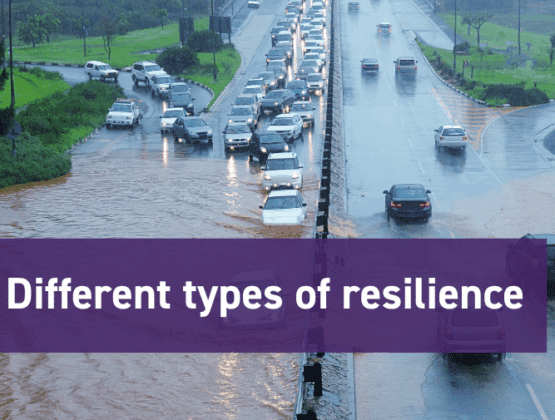
It's important to understand the main types of resilience, and how they work together to...
6.08.25
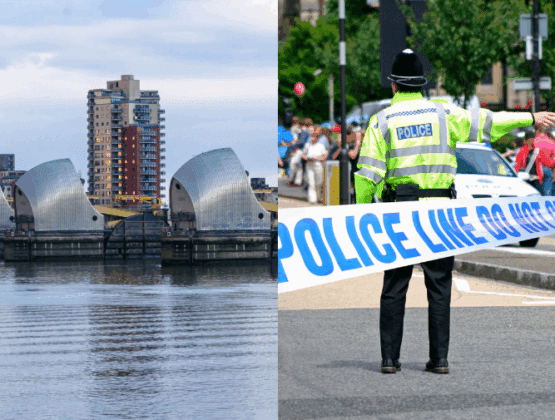
Strategic resilience goes beyond crisis response. It's about embedding adaptability, foresight, and sustainability into the...