Published by Laura Schell

Published by Laura Schell
Date 25.11.25


White Ribbon Day is a moment of national reflection, when we commit not only to challenging violence against women and girls (VAWG), but to transforming the systems and cultures that enable it to exist and persist.
In 2025, that commitment feels more urgent, and more possible, than ever before. The Labour government’s ambition to halve VAWG is a pivotal shift. Alongside the National Police Chiefs’ Council’s landmark decision to treat VAWG with the same seriousness, coordination and resourcing as terrorism, the direction of travel is clear. VAWG is a national priority requiring systemic change, high-quality training, and a skilled, confident workforce across policing, health, justice, and the wider public sector.
The creation of a National Centre for Violence Against Women and Girls and Public Protection, hosted by the College of Policing, is already redefining professional expectations. However, we recognise that strategy alone is not enough, and true success depends on the capability, capacity and culture of the workforce who implement it.
A credible response to VAWG requires technical skill, trauma-informed, compassionate practice, and consistent standards. Shifts in the police and crime commissioners (PCCs) landscape present both challenges and opportunities. PCCs play a crucial role in funding community-based services, local prevention programmes, and education initiatives. Their leadership will significantly influence whether national ambitions to cut VAWG by 50%, and to embed a counter-terror-style approach, translate into meaningful local action.
The Domestic and Sexual Abuse Support Worker apprenticeship standard developed by Skills for Justice represents a step change in how we professionalise this workforce, through a nationally recognised pathway into specialist domestic abuse roles. This equips employers and practitioners with skills in risk assessment, trauma-informed practice, safeguarding, multi-agency collaboration, and survivor centred decision-making.
Alongside this, our work with the Welsh Government on the Violence Against Domestic Abuse and Sexual Violence (VADASV) Theory of Change is reshaping the national understanding of what effective prevention, protection and support truly look like. Co-designed with key stakeholders, including survivors, this framework focusses on the impact, outcomes, outputs, key processes and activities needed to deliver on the government’s strategic aims. And crucially, it centres survivor voice not as a tokenistic input, but as a guiding principle for service design and workforce delivery.
At last week’s APCC NPCC Partnership Summit, policing leaders heard directly from survivors whose courage, resilience and honesty remind us why this work matters. Their experiences reveal both the immense strength it takes to seek help, and the difference that skilled, compassionate officers can make.
Victims described navigating complex systems and processes, often while still at risk. Survivors are now using their lived experience to support others, influence legislation, develop toolkits, and improve police practices, including helping officers to use the right language to build trust at the first point of contact.
Their message is simple: skilled workforces save lives. The quality of an officer’s first response can determine whether a victim feels heard, stays engaged, and ultimately stays safe. This is why investment in professional standards, accredited training, and trauma-informed practice is fundamental to public protection and public confidence.
No organisation is untouched by domestic abuse. Employers have a vital role in recognising, responding to, and supporting victims. Workplaces can and must be part of the solution. This is why employers must:
Ending violence against women and girls is not a single programme, department, or initiative. It is a whole-system effort requiring shared ambition and collective responsibility. Skills for Justice remains committed to:
On White Ribbon Day 2025, we reaffirm this commitment and call on partners across the UK to join us.

7.11.24
Inspire Justice Awards winners Devon and Cornwall Independent Sexual Violence Advisor Service (ISVA) were recognised...
20.03.24
Ahead of the 25 March Skills for Justice webinar, which will explore the state of...

24.04.24
Laura Schell, experienced public sector leader, joins Skills for Justice as our new Client Director.
...
15.07.24
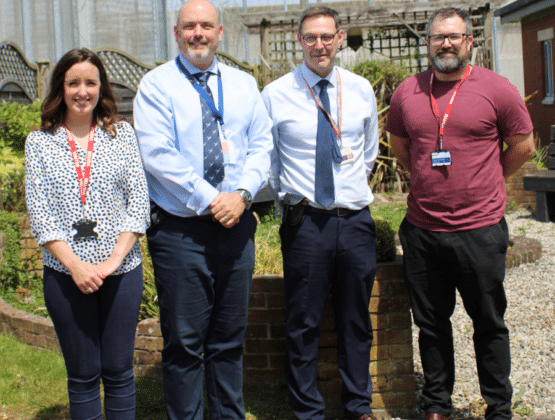
On 5 July, Skills for Justice got the chance to visit HMP Lowdham Grange and...
19.10.23
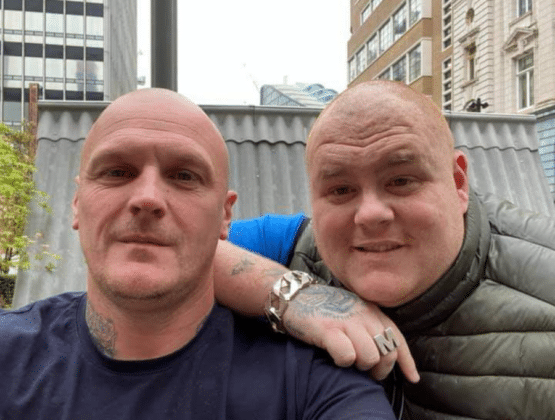
Skills for Justice interview Lads Like Us ahead of their inspirational speech at the Inspire...